


We already wrote various articles about Ramen, from introducing you to the different kinds that are a available, how to eat it and where to find the best Ramen in Fukuoka. Japanese noodle culture though, features a lot more than just ramen. There are countless variations of noodle dishes in the Japanese kitchen and today we will introduce you to Soba (蕎麦 そば)

Soba are thin noodles that are made from buckwheat. They contrast to thick wheat noodles, called Udon. In Japan, the word can refer to any thin noodle. Soba noodles are served either chilled with a dipping sauce, or in hot broth as a noodle soup.
In Japan, soba noodles are served in a variety of settings: they are a popular inexpensive fastfood at railway stations throughout Japan, but are also served by expensive specialty restaurants. Markets sell dried noodles or instant noodle broth, to make home preparation easy. There are a wide variety of dishes, both hot for winter and cold for summer, using these noodles.
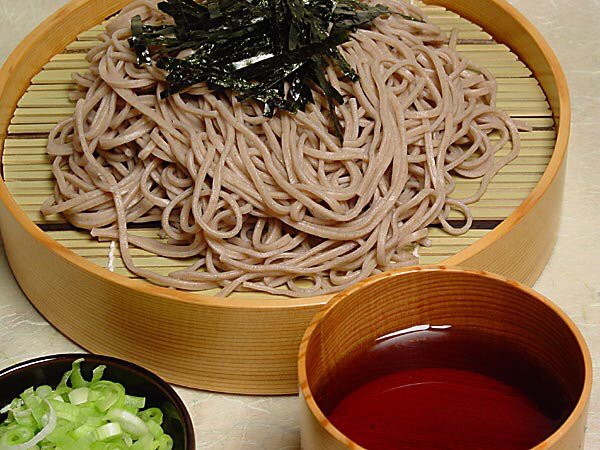
Soba is a good nutritional addition to a diet reliant on white rice and wheat flour. Thiamine, missing from white rice, is present in soba; eating thiamine (vitamin B1) can help prevent diseases. Soba contains all eight essential amino acids, including lysine, which is lacking wheat flour. The tradition of eating soba arose in the Edo period.
Soba is typically eaten with chopsticks, and in Japan, it is considered acceptable to slurp the noodles noisily. This is especially common with hot noodles, as drawing up the noodles quickly into the mouth helps cool them. However, quiet consumption of noodles is no longer uncommon.
Soba is so common that it is basically served everywhere, dig in!






Leave a Reply
You must be logged in to post a comment.